Sam Long · 2 September 2026
Property values in Dunlow have risen sharply over the past year, creating both opportunities and challenges for local residents. Recent assessments show an average increase of 22 percent, pushing median home prices to approximately $248,000. This surge stems from broader regional demand and limited housing inventory, according to county records.
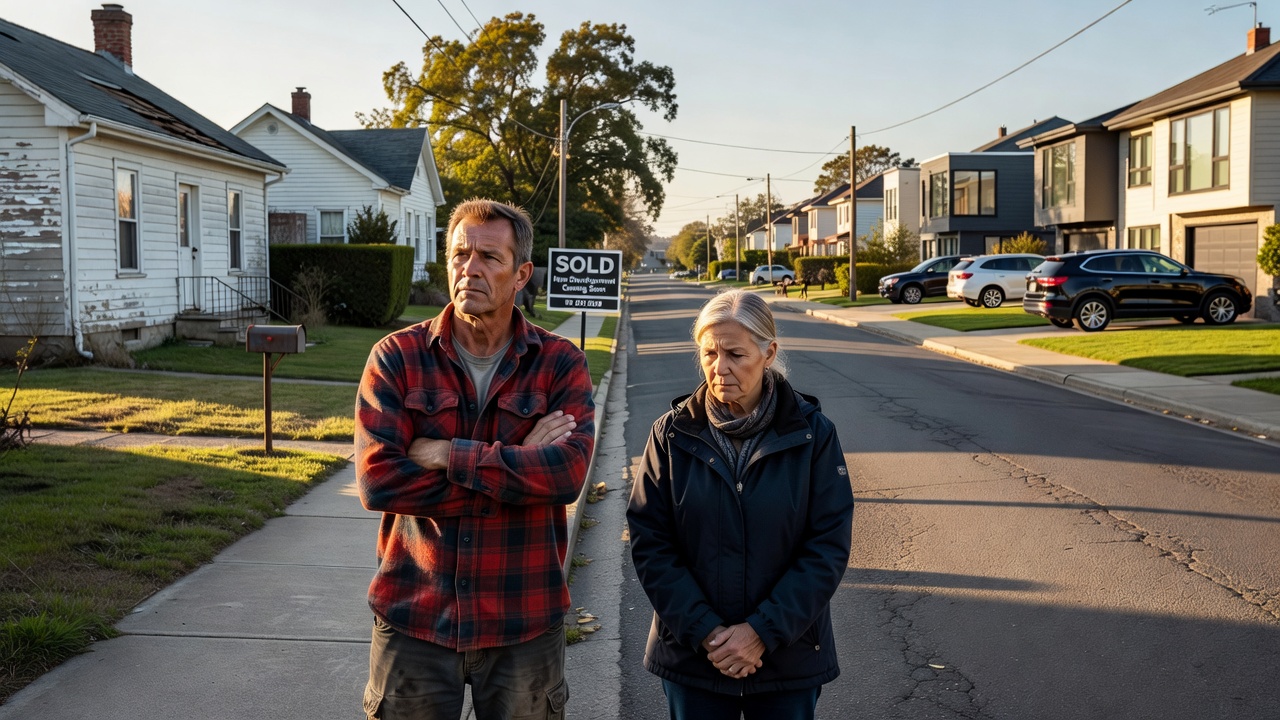
Longtime homeowners report mixed reactions. Some view the rise as a financial benefit if they choose to sell, while others face higher property tax bills that strain monthly budgets. Local officials note that reassessments occur annually and reflect market conditions rather than arbitrary decisions.
Effects on Taxes and Affordability
Higher valuations directly influence property tax calculations, leading to increased annual payments for many households. A typical homeowner now pays roughly $1,850 more per year compared to 2023 figures. Fixed-income residents, including retirees, have expressed concern about remaining in their homes without additional assistance programs. County tax relief options exist but require formal applications and income verification.
Rental markets have also shifted. Landlords adjusting to new assessments have raised monthly rents by an average of 15 percent, affecting younger families and workers who rely on affordable housing. Community leaders are exploring zoning adjustments to encourage new construction and ease pressure on existing stock.
Local Market Trends and Outlook
Real estate agents report steady buyer interest from outside the area, often citing Dunlow's proximity to employment centers and quality schools. Sales volume increased 18 percent last quarter despite elevated prices. Experts caution that continued growth could slow if interest rates remain high or if new supply enters the market.
Residents are advised to review their assessments promptly and consider appealing valuations if discrepancies appear. Public meetings scheduled for next month will discuss potential mitigation strategies, including expanded homestead exemptions. Overall, the trend reflects wider economic patterns affecting similar communities nationwide.